Surfing in Thailand has gained popularity in recent years, particularly along the west coast of the southern peninsula and the islands in the Andaman Sea. While Thailand might not be as renowned for surfing as some other destinations in Southeast Asia, it still offers plenty of opportunities for both beginners and experienced surfers.
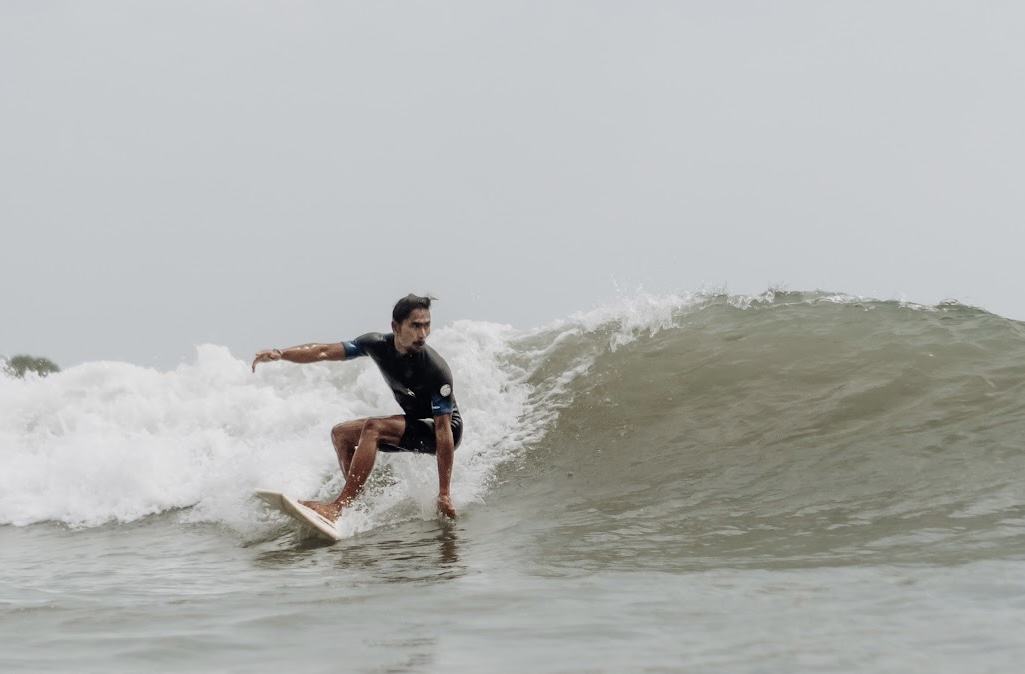
Some of the popular surf spots in Thailand include:
- Phuket: Kata Beach and Kamala Beach are two of the main spots for surfing in Phuket. Kata Beach, in particular, is known for its consistent waves, making it suitable for both beginners and intermediate surfers.
- Khaolak: surfing in Khao Lak offers a perfect blend of stunning natural beauty, warm hospitality, and excellent surf conditions, making it a must-visit destination for surfers exploring Thailand’s coastal treasures.
- Krabi: Ao Nang Beach and Railay Beach in Krabi offer decent waves for surfing, especially during the monsoon season from May to October.
- Koh Lanta: The beaches on Koh Lanta’s west coast, such as Klong Dao Beach and Klong Khong Beach, occasionally offer good waves for surfing, especially during the southwest monsoon season.
- Koh Phangan: While Koh Phangan is more famous for its Full Moon Party, it also has surfable waves at spots like Haad Yao and Haad Salad, particularly during the monsoon season.
- Koh Samui: Chaweng Beach and Lamai Beach on Koh Samui’s east coast occasionally get waves suitable for surfing, but conditions can be inconsistent.
It’s important to note that surfing in Thailand is heavily influenced by the monsoon seasons. The southwest monsoon typically brings larger waves and better surf conditions from May to October, while the northeast monsoon from November to April generally brings smaller waves and calmer seas.
However in the winter season in Thailand also have some surfing spot located on Gulf of Thailand, offers a unique surfing experience with its own set of characteristics
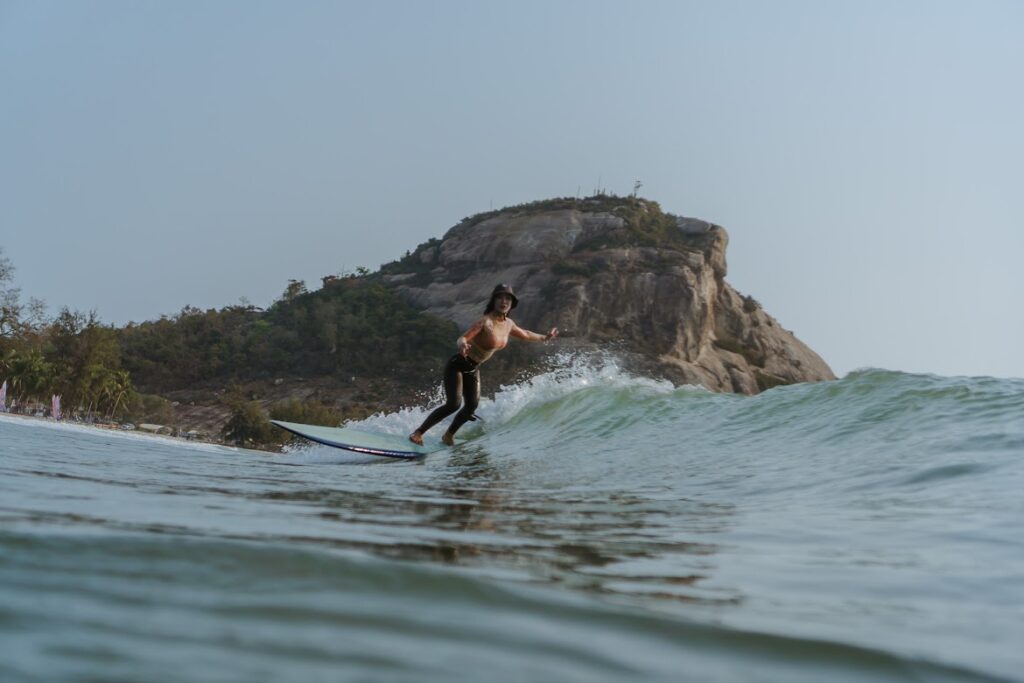
Winter in “Hua-Hin” typically runs from November to March. During this time, the weather is generally dry and cooler compared to the rest of the year. While the Gulf of Thailand doesn’t experience the same consistent swells as the Andaman Sea during the southwest monsoon season, there are still waves to be caught, especially during periods of wind and weather changes. The main surf spots in Hua Hin include Khao Takiab Beach and Khao Tao Beach. These beaches offer sandy breaks with gentle waves suitable for learning and practicing surfing. Additionally, nearby Cha-am Beach can also provide surfable waves during certain conditions.
For those new to surfing, there are plenty of surf schools and rental shops available in popular tourist areas where you can learn the basics or rent equipment.
Before heading out to surf in Thailand, it’s advisable to check local surf reports, weather conditions, and any potential hazards such as rip currents or rocks. Additionally, respecting local surf etiquette and environmental conservation efforts is crucial for maintaining the sustainability of surf tourism in Thailand.